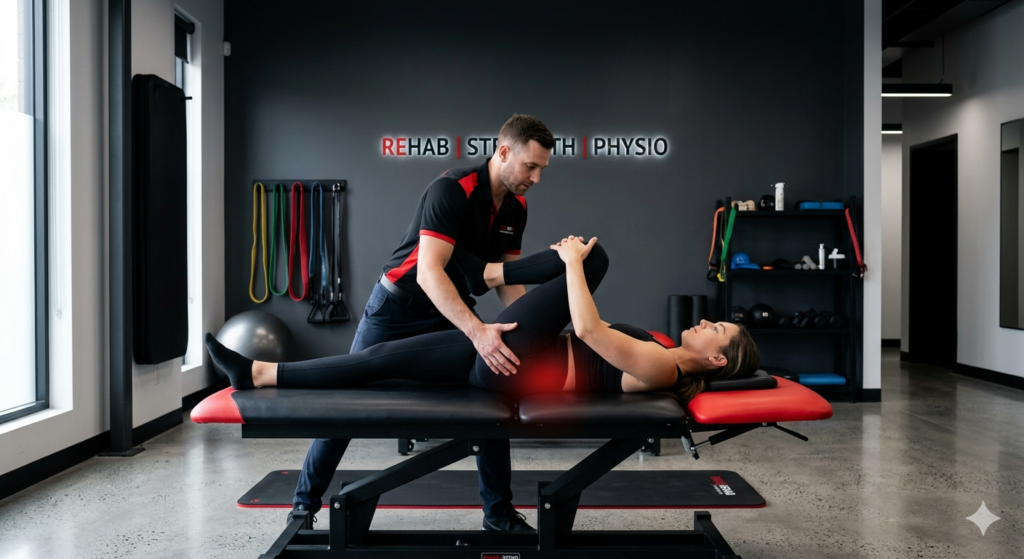
Back pain can turn everyday tasks into uncomfortable challenges. Whether you’re struggling to get out of bed, sitting through a workday, or playing with your kids, persistent back pain affects your quality of life.
Many Southlake residents facing chronic back pain worry they’ll eventually need surgery, with all the risks, costs, and lengthy recovery time that comes with it. The good news is that physical therapy offers a proven, conservative approach that helps many patients avoid surgery altogether.
Back pain physical therapy Southlake TX focuses on addressing the root causes of pain through targeted exercises, manual therapy, and personalized treatment plans. In this blog, you’ll learn how physical therapy works, what conditions it treats, and why it’s often the best first step before considering surgical options.
What is Back Pain and Why Surgery Is Often Recommended
Back pain stems from various sources, and understanding the cause is essential for effective treatment. Licensed physical therapists with years of clinical experience identify these underlying issues during initial evaluations.
Common causes include:
- Muscle strain from overuse, heavy lifting, or sudden movements.
- Disc issues such as herniated or bulging discs that press on nerves.
- Poor posture from prolonged sitting or improper body mechanics.
- Aging-related degeneration including arthritis and spinal stenosis.
- Injuries from accidents, falls, or sports activities.
Why Doctors Recommend Surgery
When back pain persists or becomes severe, some healthcare providers may suggest surgery as a solution. Surgery might be recommended for cases involving significant nerve compression, spinal instability, or when conservative treatments haven’t been fully explored.
However, surgery carries inherent risks that patients should carefully consider:
- Risk of infection and complications.
- Potential nerve damage.
- Failed back surgery syndrome.
- Extended recovery periods lasting months.
- High costs and time away from work.
The Conservative Approach Works
Research shows that many back pain cases improve with conservative treatment approaches. Surgery should typically be considered only after other options have been thoroughly tried.
Physical therapy offers a low-risk alternative that addresses pain at its source without the complications associated with surgical intervention. Evidence-based outcomes demonstrate the effectiveness of this approach across diverse patient populations.
What Is Back Pain Physical Therapy in Southlake TX?
Back pain physical therapy Southlake TX focuses on non-surgical care that restores movement and reduces pain. Treatment supports natural healing rather than masking symptoms or altering the body through surgery.
Comprehensive Non-Surgical Treatment
Physical therapy for back pain uses guided movement, corrective exercises, and hands-on care to relieve discomfort. This approach improves function while addressing the root cause of pain instead of providing temporary relief.
The Initial Assessment Process
Each program starts with a detailed evaluation by a licensed therapist. Movement patterns, posture, flexibility, and daily habits are reviewed to identify what contributes to ongoing pain.
Personalized Treatment Plans
Based on findings, a customized plan is created for your condition and goals. At a back pain clinic Southlake TX, treatment remains one-on-one and adjusts as progress improves to ensure effective, efficient recovery.
How Physical Therapy Helps Avoid Back Surgery
Physical therapy addresses back pain through multiple mechanisms that target both symptoms and underlying causes. This comprehensive approach, refined through years of treating patients, often eliminates the need for surgical intervention.
Natural Pain and Inflammation Control
Hands-on care and guided movement help calm irritated tissues and reduce discomfort. This approach supports healing without medication or surgical intervention.
Manual Therapy Techniques
Manual therapy techniques performed by skilled therapists help reduce pain and inflammation without medication. These hands-on approaches include soft tissue mobilization, joint mobilization, and myofascial release.
These techniques decrease muscle tension and improve blood flow to affected areas. Experienced therapists adjust pressure and technique based on patient response and tissue quality.
Targeted Therapeutic Exercise
Targeted therapeutic exercises activate specific muscle groups while avoiding movements that aggravate your condition. As muscles strengthen and movement patterns improve, pain naturally decreases through improved biomechanics.
Many patients experience significant relief within the first few weeks of consistent treatment. Progress depends on adherence to home exercise programs and lifestyle modifications.
Supportive Modalities
Physical therapists also use modalities like heat, ice, and electrical stimulation when appropriate to manage acute pain and inflammation. These tools support your recovery while you build the strength and mobility needed for long-term improvement.
Strength and Flexibility Restoration
Balanced strength and flexibility help the spine handle daily demands. Therapy focuses on stability and controlled motion to reduce strain on spinal structures.
Core Strengthening Programs
Weak core muscles often contribute to back pain by failing to properly support the spine. Physical therapy includes progressive strengthening exercises that build core stability and endurance.
Your therapist teaches deep abdominal and back muscles to work together effectively. This coordinated activation protects your spine during daily activities and reduces pain-generating mechanical stress.
Correcting Muscle Imbalances
Muscle imbalances occur when some muscles become tight and overactive while others weaken. This imbalance creates abnormal stress on your spine and surrounding structures through altered movement patterns.
Your therapist identifies these imbalances through movement screening and manual muscle testing. Specific exercises restore proper muscle function and balance, addressing root causes rather than symptoms.
Flexibility Enhancement
Flexibility exercises address tight muscles that restrict movement and contribute to poor posture. Limited flexibility in your hips, hamstrings, and spine increases strain on spinal structures during movement.
By improving flexibility through evidence-based stretching techniques, you reduce unnecessary strain on your back during daily activities. Enhanced mobility allows proper movement distribution across joints.
Movement and Posture Education
Therapists assess how daily movement affects back health. Small technique changes often lead to meaningful comfort and function gains.
Movement Pattern Training
How you move throughout the day significantly impacts your back health. Physical therapists analyze your movement patterns during activities like bending, lifting, sitting, and standing through functional assessment.
They then teach you proper body mechanics that protect your spine and reduce pain. Real-world patient scenarios demonstrate how small adjustments create significant improvements in comfort and function.
Workplace Ergonomics
Work-related posture often contributes to chronic back pain, especially for office workers and manual laborers. Your therapist provides specific recommendations for your work environment based on your job demands.
These adjustments help you maintain good posture throughout your workday. Modifications may involve desk setup, lifting techniques, or scheduled movement breaks to prevent tissue overload.
Daily Activity Modifications
Daily activity training ensures you can perform routine tasks without aggravating your back. Your therapist guides you through modified techniques for activities like getting in and out of cars.
You learn safe methods for picking up objects, performing household chores, and managing personal care. These practical skills translate directly to improved function in your everyday life.
Future Injury Risk Reduction
Education and skill development help maintain back health beyond treatment. Patients gain tools that support long-term spinal stability.
Patient Education Components
Education is a critical component of physical therapy that empowers long-term self-management. You learn about your specific condition, what movements or positions to avoid, and anatomical factors contributing to your pain.
Understanding early warning signs helps you recognize problems before they escalate. This knowledge allows you to take control of your back health through informed decision-making.
Long-Term Management Strategies
Your therapist teaches you long-term movement strategies and exercises you can continue independently. This self-management approach reduces your risk of future episodes significantly through maintained strength and flexibility.
Many patients find that the skills learned during physical therapy benefit them for years after formal treatment ends. The investment in learning proper movement pays dividends in sustained pain-free function.
Lower Back Pain Physical Therapy Southlake TX as a Non-Surgical Option
Lower back pain physical therapy Southlake TX provides structured care that restores function without surgical intervention. This approach suits acute injuries, long-term discomfort, and nerve-related symptoms.
Common Conditions Treated
Lower back pain is one of the most common conditions treated through physical therapy. Whether you’re dealing with acute strain, chronic discomfort, or sciatica symptoms, lower back pain physical therapy Southlake TX offers targeted solutions.
Physical therapy addresses common lower back conditions including lumbar muscle strains, facet joint dysfunction, sacroiliac joint pain, and early-stage disc issues. Each condition requires specific treatment approaches based on presentation.
Root Cause Treatment Approach
Rather than simply managing symptoms, therapy targets the root cause of your pain through specific interventions matched to your diagnosis. Licensed therapists use clinical reasoning developed through treating hundreds of similar cases.
Treatment typically focuses on strengthening the muscles that support your lower spine. Improving hip mobility and correcting movement patterns that stress your lumbar region are equally important components.
Expected Treatment Timeline
Many patients notice improvement within three to four weeks of beginning treatment. Significant progress typically occurs over eight to twelve weeks of consistent treatment with adherence to home programs.
Individual timelines vary based on condition severity, chronicity, and patient compliance. Your therapist adjusts expectations based on your specific presentation and progress rate.
Evidence-Based Outcomes
Evidence-based research supports physical therapy as a first-line treatment for lower back pain. Studies show that patients who start with physical therapy often achieve similar or better outcomes compared to surgical interventions.
These results come with fewer risks and lower costs than invasive treatments. The conservative approach allows patients to avoid surgery-related complications while achieving functional goals.
Benefits of Choosing Physical Therapy Over Surgery
Physical therapy provides effective back pain care without surgical risks. Many patients achieve long-term relief while avoiding complications associated with invasive procedures.
Safety and Risk Profile
Physical therapy offers numerous advantages when compared to surgical intervention. The safety profile is significantly better, with minimal risk of serious complications.
Key benefits include:
- Lower risk: No anesthesia complications, infection risks, or surgical errors
- Faster recovery: Return to normal activities in weeks rather than months
- Cost efficiency: Significantly less expensive than surgery and hospital stays
- No permanent changes: Your body remains intact without surgical alterations
Active Participation Benefits
Unlike surgery where you’re a passive recipient, physical therapy requires active participation. You play a role in your recovery through exercise and lifestyle modifications.
Additional advantages:
- Long-term skills: Learn techniques and exercises you can use throughout your life
- Fewer side effects: No medication dependencies or post-surgical complications
- Personalized approach: Treatment adapts to your specific needs and progress
Comprehensive Functional Improvement
Physical therapy addresses whole-body movement patterns, not just isolated problems. This comprehensive approach improves overall function beyond simple pain reduction.
Even if surgery eventually becomes necessary, completing physical therapy first often improves surgical outcomes. Post-operative recovery is typically faster for patients with better pre-surgical conditioning and movement quality.
Pain Relief and Mobility Improvement Through Physical Therapy
Pain relief physical therapy Southlake TX reduces discomfort while restoring movement. This approach addresses both symptoms and the underlying factors contributing to back pain.
Comprehensive Pain Management
Pain relief physical therapy Southlake TX focuses on reducing discomfort while simultaneously improving your ability to move freely. This dual approach distinguishes physical therapy from treatments that only address symptoms temporarily.
As pain decreases through therapeutic interventions, your nervous system becomes less sensitized to painful stimuli. This reduced sensitivity, combined with improved tissue health, creates lasting relief.
Enhanced Functional Mobility
Mobility improvement therapy Southlake enhances your functional capacity in meaningful ways. Improvements occur in activities that matter most to your daily life and personal goals.
You’ll notice changes like:
- Walking longer distances without discomfort
- Sitting through meetings without stiffness
- Bending to tie your shoes easily
- Sleeping through the night without waking from pain
Measurable Progress Tracking
Your therapist measures progress through objective markers including range of motion measurements, strength testing, and functional assessments. These measurable improvements demonstrate that real change is occurring in your body.
The combination of reduced pain and improved mobility helps you return to activities you may have avoided. Whether that’s exercising, playing sports, gardening, or keeping up with daily responsibilities, therapy restores your active lifestyle.
When Physical Therapy Is the Right Choice
Back pain physical therapy Southlake TX suits a variety of conditions, from recent strain to long-term discomfort. Early evaluation often prevents minor issues from becoming persistent problems.
Early-Stage Pain Intervention
Physical therapy is appropriate for a wide range of back pain scenarios. Early intervention often prevents acute problems from becoming chronic conditions requiring more intensive treatment.
Consider seeking care if you’re experiencing pain that has lasted more than a few days or keeps returning. Addressing problems early yields better outcomes with shorter treatment durations.
Chronic Pain Management
Chronic pain that has persisted for months or years often responds well to physical therapy. Even long-standing pain improves when the right evidence-based approach is used consistently.
Years of clinical experience treating chronic cases demonstrate that duration of symptoms doesn’t necessarily predict treatment success. Patient motivation and compliance play larger roles.
Work-Related Injuries
Work-related injuries from repetitive activities, heavy lifting, or prolonged sitting benefit significantly from physical therapy. Treatment not only addresses the injury but helps you modify work habits.
Back pain treatment Southlake TX for occupational injuries includes functional capacity evaluations and work conditioning. These services ensure safe return to full duty without reinjury risk.
Sports Injuries and Performance
Sports injuries affecting your back or related areas require specialized treatment approaches. Athletes benefit from physical therapy that addresses both recovery and performance enhancement simultaneously.
Treatment protocols consider sport-specific demands and return-to-play timelines. Therapists work with athletes to maintain conditioning while healing occurs.
Stiffness and Reduced Flexibility
Back stiffness treatment Southlake helps when you notice reduced flexibility, difficulty with certain movements, or morning stiffness. These early signs often respond quickly to appropriate therapy interventions.
You should seek physical therapy evaluation if your back pain interferes with daily activities or limits your exercise. Regular pain medication dependence or worry about future mobility are also valid reasons to seek care.
Choosing the Best Physical Therapy Clinic in Southlake TX
Selecting the right provider plays a major role in recovery success. A quality clinic offers skilled care, clear communication, and a patient-focused approach.
Licensed and Experienced Professionals
A strong clinic employs licensed therapists with focused back pain experience. Ongoing education ensures care aligns with current, evidence-based standards.
One-on-One Treatment Sessions
Direct therapist attention supports accurate assessment and proper technique. The best physical therapy for back pain Southlake TX relies on dedicated care rather than shared sessions or assistant-led treatment.
Individualized Care Approach
Effective therapy follows your condition, not a fixed routine. Treatment plans adjust based on progress, goals, and daily activity demands.
Patient Goals and Communication
Therapists should listen closely and explain each step of care. Clear guidance supports confidence, comfort, and informed participation throughout treatment.
Scheduling and Location Factors
Convenient scheduling and insurance acceptance support consistent attendance. Care quality should always outweigh convenience when selecting a clinic.
Frequently Asked Questions
How long does physical therapy take for back pain?
Most back pain physical therapy programs last six to twelve weeks. Sessions usually occur two to three times weekly. Recovery speed depends on pain severity, consistency with exercises, and how well daily movement habits improve.
Does physical therapy help lower back pain?
Yes. Physical therapy effectively reduces lower back pain by addressing movement issues, muscle weakness, and posture problems. Patients often experience lasting relief, improved function, and reduced need for medication or surgical intervention.
When should you see a physical therapist for back pain?
Seek physical therapy if back pain lasts several days, limits daily activity, or keeps returning. Early evaluation helps prevent chronic issues and often leads to faster recovery with fewer treatment sessions.
Is physical therapy safer than surgery for back pain?
Yes. Physical therapy carries minimal risk compared to surgery, which involves anesthesia and recovery complications. Most patients are advised to try conservative physical therapy first before considering surgical treatment options.