
Useful Links
PT & Pilates hours
Contact Info
- 972-532-FLEX
- 817-751-7566
- 1959 W Southlake Blvd, STE 180, Southlake, TX 76092
- info@flexologystudios.com
Pelvic floor physical therapy is a specialized form of care that helps improve the strength, coordination, and function of the pelvic floor muscles. It can help treat pelvic pain, bladder or bowel leakage, urgency, constipation, pain with intimacy, low back or hip pain, and symptoms related to pregnancy and postpartum recovery.
Pelvic floor therapy can also benefit men experiencing pelvic pain, urinary issues, or recovery after prostate surgery. Whether you are experiencing symptoms now or simply want to be proactive, pelvic floor therapy can support your body through every stage of life.
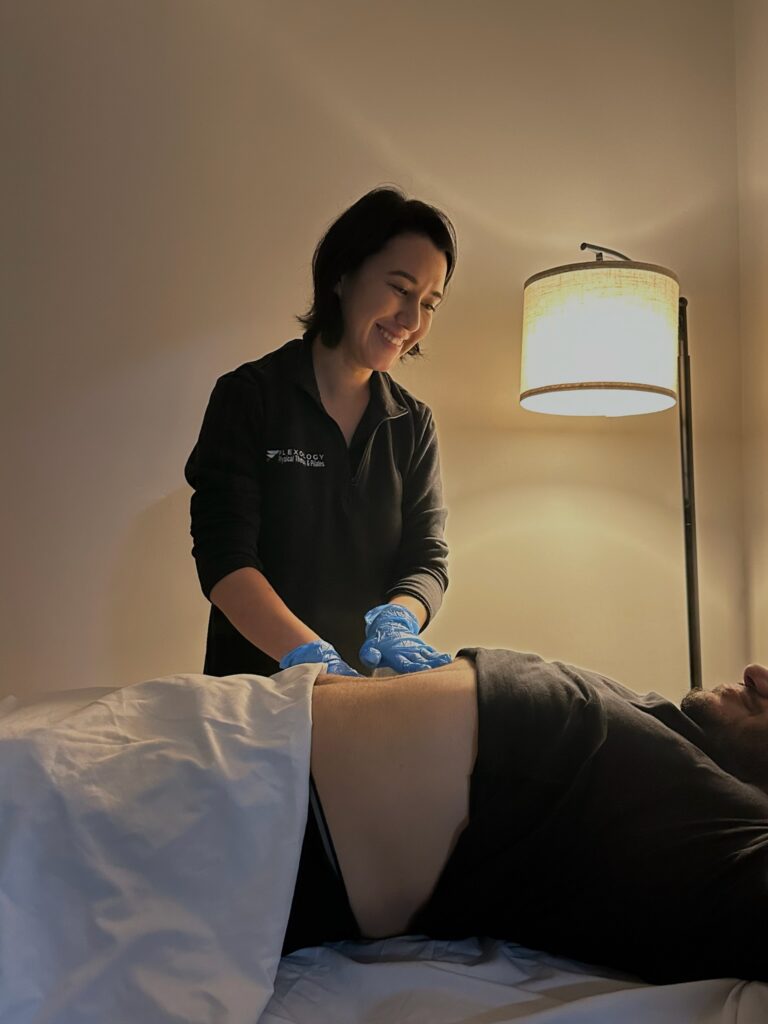
Treatment sessions will be private, one-on-one and during the first visit your therapist will spend time discussing your concerns, medical history, goals, and daily activities before performing any assessment.
Your first visit typically includes a pelvic floor assessment which is a thorough evaluation designed to better understand how your muscles, core, breathing patterns, posture, and movement may be contributing to your symptoms.
Depending on your symptoms and comfort level, the evaluation may include an internal pelvic floor muscle assessment. This is performed gently using one gloved finger to assess muscle strength, coordination, tension, tenderness, and overall pelvic floor function. An internal exam is often the best way to fully evaluate the pelvic floor muscles, but it is never required.
Unlike a gynecological exam, a pelvic floor assessment is focused on evaluating muscles, movement, function, and coordination. No speculum is used, and the pace of the assessment is guided entirely by your comfort and consent.
Your consent is ongoing throughout the entire session, and you may decline or stop any portion of the assessment at any time. External-only assessments and treatment options are always available. Our goal is to create a safe, supportive environment where you feel heard, respected, and comfortable throughout your care.
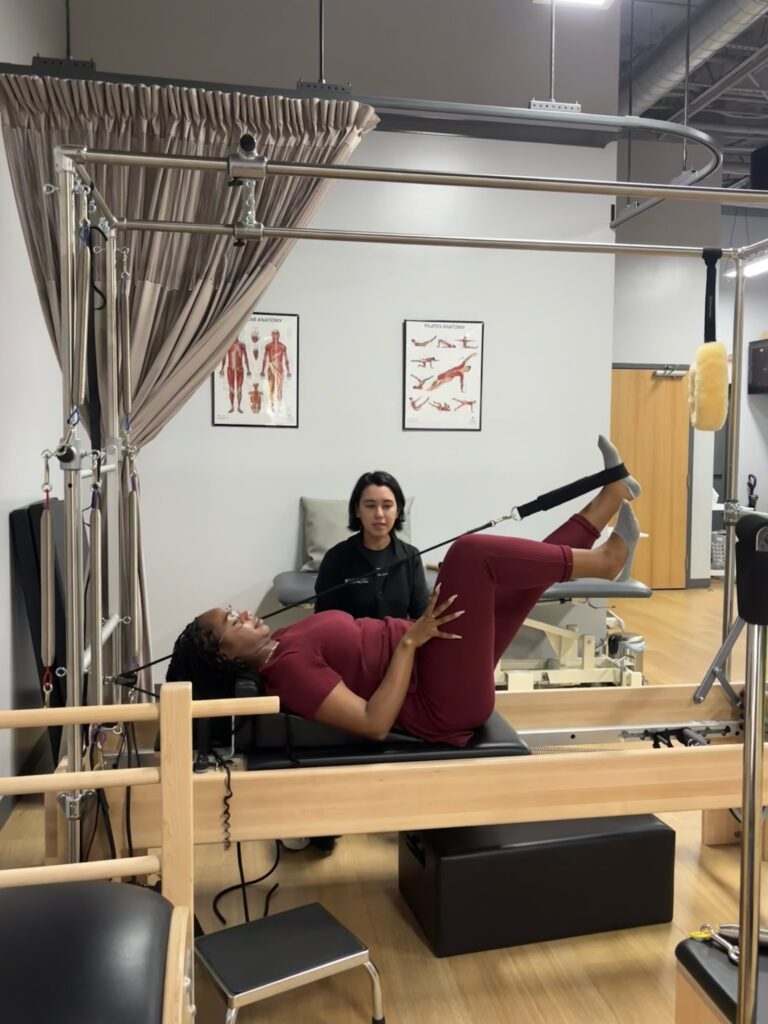
Treatment may include education, exercises, breathing strategies, manual therapy, movement retraining, and lifestyle modifications designed to help you move and feel better.
Whether you are currently experiencing symptoms, preparing for birth, recovering postpartum, or simply looking to be proactive with your health, pelvic floor therapy can help support your long-term function and quality of life.

Urinary Concerns
Bowel Concerns
Pelvic or Abdominal Pain
Men’s Pelvic Floor Therapy
Other
Pelvic floor therapy during pregnancy can help you prepare your body for labor, delivery, and recovery.
Treatment may include:
Many postpartum symptoms are common, but they are not something you simply have to live with. The postpartum period is a major physical recovery phase, whether delivery was vaginal or cesarean. Even without symptoms, pelvic floor therapy during pregnancy can help improve body awareness, reduce discomfort, and support recovery after delivery.
We understand you may have questions. This section covers everything you need to know before getting started.
Pelvic floor physical therapy is a specialized form of treatment that focuses on the muscles, ligaments,
and tissues that support the bladder, bowel, core, and pelvic organs. It helps improve strength,
coordination, mobility, and overall function
elvic floor therapy can help with bladder leakage, urinary urgency or frequency, constipation, pelvic pain,
pain with intimacy, low back or hip pain, pregnancy and postpartum recovery, prolapse symptoms, core
weakness, and post-surgical recovery. It can also help men with pelvic pain or urinary concerns
No. While pelvic floor therapy is very beneficial during pregnancy and postpartum recovery, it can help
people of all ages and stages of life, including men.
Your first visit typically includes a discussion about your symptoms, medical history, lifestyle, and goals.
Your therapist may also perform a movement, posture, breathing, and strength assessment to better
understand your needs. Treatment recommendations are always individualized and explained clearly
Yes. All sessions are provided in a private, one-on-one setting to ensure comfort, privacy, and
individualized care.
No. Internal assessments or treatments are never required and are only performed with your consent
when appropriate. Your therapist will discuss all options with you and ensure you feel comfortable
throughout the process.
Treatment may include gentle exercises, breathing and posture training, hands-on therapy, stretching,
mobility work, strengthening, relaxation techniques, and education to improve daily movement and
function.
Pelvic floor therapy can help improve comfort and confidence during everyday activities such as walking,
exercising, lifting, caring for children, working, running, and returning to hobbies or sports.
Every person is different, but many patients notice improvements within a few visits when consistently
following their treatment plan and home exercises
Yes. Pelvic floor therapy can help men with pelvic pain, urinary leakage, constipation, abdominal or groin
pain, and recovery after prostate or abdominal surgery.
Yes. Pelvic floor therapy during pregnancy can help reduce back, hip, and pelvic pain, improve core and
pelvic floor coordination, prepare the body for labor and delivery, and support comfort throughout
pregnancy.
Many women benefit from pelvic floor therapy as early as a few weeks postpartum, depending on their
delivery and recovery. Therapy can help with healing, core strength, scar mobility, bladder control, pelvic
pain, and returning to exercise safely
You do not have to wait until symptoms become severe to seek care. A pelvic floor screening can help
identify muscle weakness, tension, pressure management issues, scar restrictions, or movement patterns
that may contribute to future problems. Early treatment and education can help prevent worsening
symptoms, support recovery, and improve long-term function
Developed By Web6 Solutions