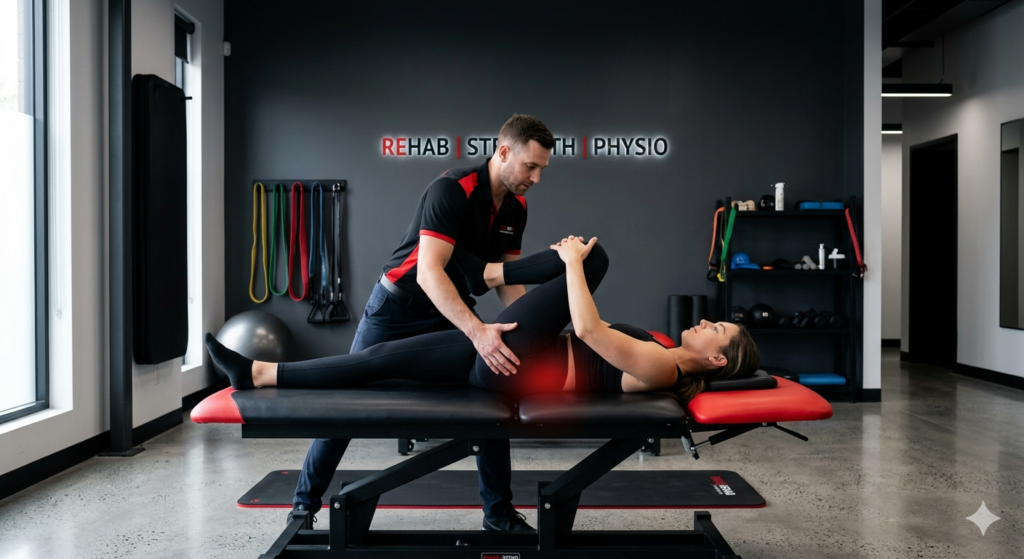
Lower back pain can quietly disrupt your daily routine, making simple movements like sitting, standing, or even walking uncomfortable. One of the most overlooked causes of this discomfort is the sacroiliac (SI) joint. If you’ve been struggling with stiffness or pain in your lower back or hips, there’s a strong chance your SI joint is involved.
The good news? You don’t always need expensive treatments or complicated procedures. With the right sacroiliac joint dysfunction physical therapy exercises, you can significantly reduce pain, improve mobility, and regain control of your body all from the comfort of your home.
In this comprehensive guide, we’ll explore everything you need to know about SI joint dysfunction and the most effective exercises to relieve pain quickly and safely.
What Is Sacroiliac Joint Dysfunction?
The sacroiliac joints are located where your spine meets your pelvis. You have two SI joints, one on each side. These joints act as shock absorbers, helping distribute weight between your upper body and legs.
Sacroiliac joint dysfunction occurs when these joints become either too stiff or too mobile. This imbalance can lead to inflammation, pain, and reduced movement.
Common Symptoms of SI Joint Dysfunction
Recognizing the symptoms is the first step toward recovery. Here are the most common signs:
- Lower back pain (usually on one side)
- Pain in the hips, buttocks, or thighs
- Discomfort when standing up from a seated position
- Stiffness after long periods of inactivity
- Pain that worsens when climbing stairs or running
If you’re experiencing these symptoms, incorporating SI joint pain relief exercises into your daily routine can make a noticeable difference.
Why Physical Therapy Is Essential for SI Joint Pain
Physical therapy focuses on strengthening muscles, improving flexibility, and restoring proper joint alignment. When it comes to SI joint dysfunction, exercise is one of the most effective and natural ways to manage pain.
Benefits include:
- Improved joint stability
- Reduced inflammation
- Better posture and alignment
- Increased flexibility
- Long-term pain relief without medication
Best Sacroiliac Joint Dysfunction Physical Therapy Exercises
Let’s dive into the most effective exercises that target the SI joint. These are simple, safe, and can be done at home.
1. Knee-to-Chest Stretch
This is one of the easiest and most effective sacroiliac joint stretches for lower back pain.
How to do it:
- Lie flat on your back
- Bring one knee toward your chest
- Hold for 20–30 seconds
- Switch legs
Benefits:
- Relieves tension in the lower back
- Improves flexibility in the hips
2. Pelvic Tilts
A foundational movement in physical therapy for SI joint dysfunction at home.
Steps:
- Lie on your back with knees bent.
- Tighten your core and flatten your back against the floor.
- Hold for 5 seconds, then relax.
Why it works:
- Strengthens core muscles
- Supports proper alignment of the SI joint
3. Bridge Exercise
This exercise targets your glutes and lower back.
Instructions:
- Lie on your back with knees bent.
- Lift your hips upward slowly.
- Hold for 5–10 seconds, then lower.
Benefits:
- Strengthens glutes and stabilizes pelvis
- Reduces pressure on SI joints
4. Piriformis Stretch
Tight piriformis muscles often contribute to SI joint pain.
How to perform:
- Lie on your back.
- Cross one ankle over the opposite knee.
- Pull the uncrossed leg toward your chest
Results:
- Reduces hip tightness
- Improves mobility and comfort
5. Cat-Cow Stretch
A gentle movement that promotes spinal flexibility.
Steps:
- Get on hands and knees.
- Arch your back (cat), then dip it (cow).
- Move slowly with your breath
Why it helps:
- Improves spinal alignment
- Relieves stiffness in lower back
6. Child’s Pose Stretch
A relaxing and effective stretch for the lower back.
Instructions:
- Sit back on your heels
- Stretch arms forward
- Lower your chest toward the ground
Benefits:
- Releases tension in the spine
- Promotes relaxation and flexibility
7. Clamshell Exercise
Perfect for strengthening hip muscles.
How to do it:
- Lie on your side with knees bent
- Keep feet together and lift the top knee.
- Lower slowly
Why it’s effective:
- Strengthens glutes and hip stabilizers
- Supports SI joint function
8. Hamstring Stretch
Tight hamstrings can worsen SI joint pain.
Steps:
- Sit with one leg extended
- Reach toward your toes
- Hold for 20–30 seconds
Benefits:
- Improves flexibility
- Reduces strain on lower back
9. Standing Hip Flexor Stretch
This stretch helps balance pelvic alignment.
Instructions:
- Step one foot forward into a lunge.
- Keep your back straight.
- Push hips slightly forward
Results:
- Opens up hip flexors
- Reduces lower back pressure
10. Core Strengthening (Plank)
A strong core is essential for SI joint stability.
How to perform:
- Hold a plank position on your forearms.
- Keep your body straight
- Hold for 20–30 seconds
Benefits:
- Builds core strength
- Protects SI joint from stress
How Often Should You Do These Exercises?
Consistency is key when it comes to recovery.
- Perform exercises 4–5 times per week
- Start slow and increase intensity gradually
- Always listen to your body.
Even just 15–20 minutes daily can lead to significant improvement over time.
Tips for Faster SI Joint Pain Relief
To maximize the benefits of your SI joint pain relief exercises, follow these tips:
- Warm up before exercising
- Maintain proper posture
- Avoid sudden or jerky movements
- Use a firm mattress for better spinal support
- Stay hydrated and maintain a healthy weight
What to Avoid with SI Joint Dysfunction
While exercise is helpful, certain activities can worsen your condition.
Avoid:
- Heavy lifting without proper support
- High-impact sports
- Sitting for long periods
- Twisting movements that strain the lower back
When to See a Professional
If your pain persists despite regular exercise, it may be time to consult a physical therapist.
Seek help if:
- Pain lasts more than a few weeks.
- You experience numbness or tingling.
- Movement becomes severely restricted
A professional can design a personalized treatment plan tailored to your needs.
Benefits of Doing Physical Therapy at Home
Many people prefer physical therapy for SI joint dysfunction at home due to its convenience and flexibility.
Advantages include:
- No travel required
- Cost-effective
- Ability to exercise at your own pace
- Comfort of a familiar environment
With dedication and proper technique, home therapy can be just as effective as in-clinic sessions.
Creating a Daily Routine for SI Joint Health
Building a simple routine can accelerate recovery.
Sample Routine:
- Morning: Light stretching (5–10 minutes)
- Afternoon: Strength exercises (10–15 minutes)
- Evening: Relaxation stretches (5–10 minutes)
This balanced approach ensures consistent improvement without overloading your body.
Lifestyle Changes That Support Recovery
Exercise alone isn’t enough; your lifestyle plays a big role too.
Consider these changes:
- Maintain a healthy posture
- Use ergonomic chairs
- Take breaks during long sitting periods.
- Stay active with low-impact activities like walking or swimming
Conclusion
Dealing with SI joint pain can feel frustrating, but the right approach can make a world of difference. By incorporating these sacroiliac joint dysfunction physical therapy exercises into your daily routine, you can reduce pain, improve mobility, and regain your quality of life.
From gentle stretches to strengthening movements, each exercise plays a vital role in stabilizing your body and supporting long-term recovery. Whether you’re looking for SI joint pain relief exercises, effective sacroiliac joint stretches for lower back pain, or reliable physical therapy for SI joint dysfunction at home, consistency is your greatest ally.
Start slow, stay committed, and listen to your body. With time and effort, relief isn’t just possible; it’s within reach.
FAQs
What are the best sacroiliac joint dysfunction physical therapy exercises?
The best exercises include pelvic tilts, bridges, knee-to-chest stretches, piriformis stretches, and clamshells. These movements help stabilize the joint, strengthen surrounding muscles, and reduce pain effectively.
How long does it take to relieve SI joint pain with exercises?
With consistent practice of SI joint pain relief exercises, many people start noticing improvement within 1–3 weeks. However, full recovery may take several weeks depending on severity.
Can I do physical therapy for SI joint dysfunction at home?
Yes, physical therapy for SI joint dysfunction at home is highly effective when done correctly. Simple daily exercises and stretches can significantly improve mobility and reduce pain without needing clinic visits.
Which stretches are best for sacroiliac joint pain?
Effective sacroiliac joint stretches for lower back pain include:
-
Knee-to-chest stretch
-
Child’s pose
-
Hamstring stretch
-
Hip flexor stretch
These help release tension and improve flexibility.
What should I avoid with SI joint dysfunction?
You should avoid:
-
Heavy lifting
-
High-impact activities
-
Sitting for long periods
-
Sudden twisting movements
These can worsen pain and delay recovery.
How often should I do SI joint exercises?
It’s recommended to perform exercises 4–5 times per week. Consistency is key for long-term pain relief and joint stability.
Are SI joint exercises safe for everyone?
Most exercises are safe, but if you have severe pain, injury, or medical conditions, it’s best to consult a professional before starting.
Can strengthening exercises really fix SI joint dysfunction?
Yes, strengthening the core, hips, and lower back muscles improves stability and helps correct the underlying cause of SI joint dysfunction.