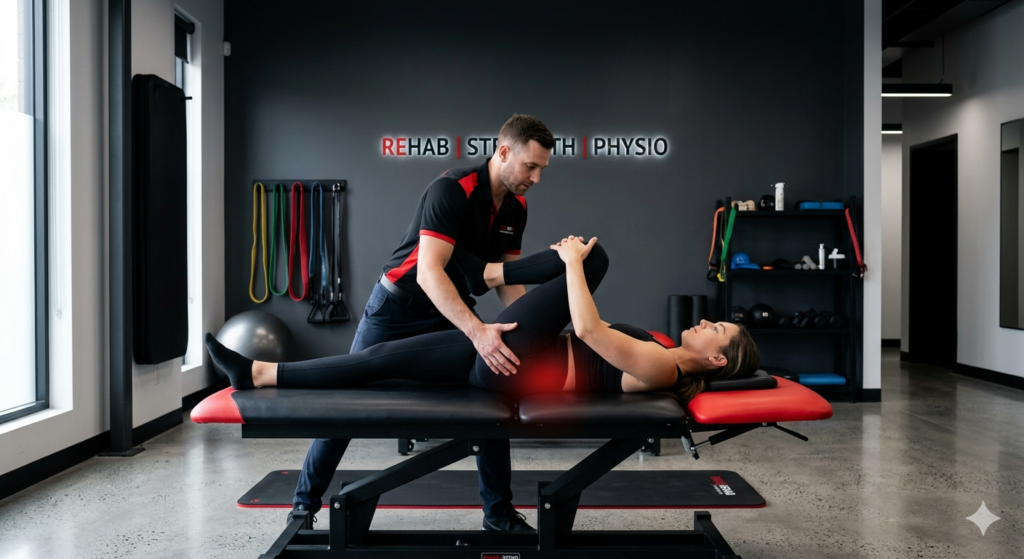
Did you know that nearly 1 in 4 adults will develop painful hip arthritis in their lifetime? Most hip pain doesn’t require surgery or expensive treatments. Simple, targeted exercises done at home can bring real relief.
Hip pain changes how you move through your day. Getting out of bed becomes a challenge. Climbing stairs hurts. Even sitting for long periods leaves you stiff and uncomfortable. The good news? Physical therapy exercises work, and you can start them today.
This guide is for anyone dealing with hip joint pain. You’ll learn safe, effective exercises that target the root causes of hip discomfort.
What Causes Hip Joint Pain and How It Develops
The hip is your body’s largest ball-and-socket joint. When it works properly, you barely notice it. When pain strikes, every movement reminds you something’s wrong.
Hip joint pain differs from general hip discomfort. Joint pain comes directly from the hip socket and ball mechanism. You’ll feel it deep in the groin or front of the hip. Movement becomes limited and rotating your leg or lifting your knee gets harder.
Muscle pain, on the other hand, sits on the outside of your hip or in your buttocks. The difference matters because each type needs different treatment approaches.
What Is Hip Joint Pain?
Hip joint pain shows up in specific ways:
- Deep aching in the groin area
- Pain when you put weight on the leg
- Stiffness after sitting or sleeping
- Limited ability to rotate the leg inward or outward
- Difficulty putting on shoes or socks
- Limping or changed walking pattern
The location tells the story. True joint pain rarely appears on the outer hip or lower back. Those areas usually indicate muscle or tendon problems.
Common Causes of Hip Joint Pain
Arthritis leads the list of hip problems. Osteoarthritis wears down the cartilage cushion inside the joint. Years of use gradually thin this protective layer. Bones start rubbing together, causing inflammation and pain.
Muscle imbalance creates uneven pressure on the hip joint. Weak glutes force other muscles to work harder. Tight hip flexors pull the joint out of alignment. Both problems increase wear and tear.
Overuse injuries happen when you ask too much of your hip. Runners and athletes face this often. Repetitive movements without enough rest damage the joint gradually. You might not notice until pain interrupts your routine.
Poor posture affects your hips even when standing still. Slouching changes how weight distributes through the joint. Sitting for hours keeps hip flexors shortened and tight. Your body adapts to these positions, but not in healthy ways.
Sedentary lifestyle weakens the muscles supporting your hip. Lack of movement reduces joint fluid circulation. Stiffness sets in. The joint becomes more vulnerable to injury during normal activities.
How Physical Therapy Exercises Help Reduce Hip Joint Pain
Physical therapy doesn’t just mask symptoms. It addresses the mechanical problems causing your pain.
Exercise programs target three main goals: better movement, stronger support, and less stiffness. Each goal builds on the others. More mobility lets you strengthen properly. Stronger muscles protect the joint, reducing future pain.
Role of Physical Therapy in Pain Management
Improving joint movement happens through controlled, gentle motion. Your hip joint needs regular movement to stay lubricated. Synovial fluid inside the joint works like oil in an engine. Movement spreads this fluid, reducing friction and inflammation.
Range of motion exercises take your hip through its full movement pattern. This prevents the joint from becoming stuck in limited positions. You’ll move easier throughout the day.
Supporting muscle balance means strengthening weak areas and stretching tight ones. Hip pain often comes from muscles working poorly together. Glutes might be weak while hip flexors stay chronically tight. Physical therapy exercises restore proper muscle function.
Balanced muscles distribute force evenly across the joint. No single area gets overloaded. This protection matters during every step you take.
Reducing stiffness requires consistent movement. Joints stiffen when held in one position too long. Morning stiffness after sleep is a perfect example. Regular exercises keep the joint mobile, even during rest periods.
Why Daily Exercises Matter
Long-term pain control comes from building new habits. One physical therapy session helps temporarily. Daily practice creates lasting change. Your hip adapts to regular movement, becoming stronger and more flexible over time.
Think of it like brushing your teeth. One session doesn’t prevent cavities. Daily care maintains health. Hip exercises work the same way.
Improved function during daily tasks shows up quickly. Patients notice differences within 2-3 weeks of consistent exercise:
- Getting in and out of cars becomes easier
- Walking longer distances without limping
- Less pain when standing from a chair
- Better sleep without position-related discomfort
- Confidence during physical activities
These real-world improvements matter more than any test result. Physical therapy succeeds when you can live your life more fully.
Safety Guidelines Before Starting Hip Physical Therapy Exercises
Smart exercise starts with understanding your limits. Not all hip pain responds to home exercises. Some situations need professional guidance first.
When to Consult a Physical Therapist
Severe pain that stops you from normal activities needs evaluation. If standing or walking causes intense, sharp pain, get assessed before exercising. A physical therapist can determine if exercise is safe or if other treatment comes first.
Post-injury or post-surgery cases always require professional guidance. Hip fractures, labral tears, and recent hip replacements need specific protocols. Home exercises help, but timing and progression matter greatly. Your physical therapist will create a plan matching your recovery stage.
General Exercise Safety Tips
Warm-up importance can’t be skipped. Cold muscles and stiff joints resist movement. Five minutes of gentle activity increases blood flow and prepares tissues for exercise. Walking slowly or doing simple leg movements works well.
Pain vs discomfort – know the difference:
- Discomfort: Mild tension, stretching sensation, muscle burning during exercise
- Pain: Sharp, stabbing feeling, pain that worsens during movement, pain lasting hours after exercise
Discomfort is normal and expected. Pain signals you’re pushing too hard or doing something wrong. Stop if you feel pain.
Proper breathing keeps you relaxed and safe. Holding your breath during exercises raises blood pressure and creates tension. Breathe naturally. Exhale during the effort part of each movement. This simple habit makes exercises more effective and comfortable.
Warm-Up Exercises to Prepare the Hip Joint
Your hip joint needs preparation before harder exercises. Warm-ups increase blood flow and loosen stiff tissues. Five to ten minutes of gentle movement prevents injury and improves exercise results.
Gentle Hip Mobility Movements
Pelvic tilts wake up the lower back and hip connection:
- Lie on your back with knees bent, feet flat on the floor
- Flatten your lower back against the floor by tilting your pelvis
- Hold for 3 seconds, then release
- Repeat 10-12 times slowly
- Focus on smooth, controlled movement
This exercise lubricates the hip joint and relaxes tight lower back muscles.
Seated hip circles improve mobility in all directions:
- Sit on a sturdy chair with feet flat
- Lift one knee slightly off the chair
- Make small circles with your knee – 10 clockwise, 10 counterclockwise
- Keep the movement gentle and pain-free
- Switch to the other leg
Hip circles remind your joint how to move in multiple directions. This prepares you for more complex exercises.
Light Stretching Before Strength Work
Hip flexor stretch releases the front of your hip:
- Stand near a wall for balance
- Step one foot back into a small lunge position
- Keep your back knee straight
- Gently push your hips forward until you feel a stretch in the front of the back leg
- Hold 20-30 seconds
- Repeat on both sides
Tight hip flexors limit movement and cause pain. This stretch creates space in the joint.
Inner thigh stretch opens the hip for better range:
- Sit on the floor with legs spread comfortably wide
- Keep your back straight
- Lean gently toward one leg, feeling the stretch in your inner thigh
- Hold 20-30 seconds each side
- Don’t bounce or force the stretch
Physical Therapy Exercises for Daily Hip Joint Pain Relief
These exercises form the core of your daily routine. Start with 5-10 repetitions of each. Add more as you get stronger. Consistency matters more than quantity.
Range of Motion Exercises
Heel slides restore bending and straightening ability. Lie on your back on a firm surface and slowly slide one heel toward your buttocks, bending the knee. Keep your heel on the floor the entire time. Slide back to straight position and repeat 10-15 times per leg. Move smoothly without jerking. This simple movement maintains joint flexibility without stressing the hip.
Hip abduction movements strengthen the outer hip. Lie on your side with legs straight, keeping your body in a straight line. Lift the top leg about 12 inches, no higher. Lower slowly with control and perform 10-12 repetitions. Roll over and repeat on the other side. Moving the leg away from your body activates muscles that stabilize the hip during walking.
Strengthening Exercises for Hip Support
Glute bridges build powerful hip and buttock muscles. Lie on your back with knees bent and feet flat, placed hip-width apart. Squeeze your buttocks and lift your hips off the floor, creating a straight line from knees to shoulders. Hold for 3-5 seconds at the top, then lower slowly and repeat 10-15 times. Strong glutes protect the hip joint during every step. This exercise is gentle but highly effective.
Side-lying leg raises target hip stabilizers. Lie on your side with the bottom leg bent for stability. Keep the top leg straight and lift it slowly, keeping toes pointing forward. Raise only to hip height, then lower with control. Complete 12-15 repetitions per side. This movement strengthens muscles that prevent the hip from collapsing inward during standing and walking.
Stability and Balance Exercises
Standing weight shifts improve balance and coordination. Stand near a counter or sturdy chair and shift your weight slowly from one leg to the other. Hold each side for 5 seconds while keeping your hips level – don’t lean to the side. Repeat 10 times. Weight shifting teaches your hip to handle changing loads safely.
Single-leg balance (supported) challenges hip stability. Stand behind a chair, holding it lightly. Lift one foot slightly off the ground and balance on the standing leg for 10-20 seconds. Keep your hip, knee, and ankle aligned. Switch legs and repeat. Progress by using just fingertips for balance. Balance exercises strengthen small stabilizing muscles around the hip joint.
Stretching Exercises to Reduce Hip Stiffness
Stretching releases tension and improves flexibility. Hold each stretch without bouncing. Breathe normally throughout.
Hip Flexor and Extensor Stretches
Kneeling hip stretch opens the front of the hip deeply. Kneel on one knee with the other foot forward, using a cushion under your knee for comfort. Keep your torso upright and push your hips forward gently until you feel a stretch. Hold 30 seconds and repeat 2-3 times per side. This stretch counters the effects of sitting and restores hip extension.
Standing hip extension stretch targets the back of the hip. Stand facing a wall or counter and place hands on the surface for support. Step one leg back, keeping it straight, and press the heel down while leaning forward slightly. Feel the stretch in the back of the hip and thigh. Hold 30 seconds per side.
Outer and Inner Hip Stretching
Figure-four stretch releases outer hip tension. Lie on your back with knees bent. Cross one ankle over the opposite knee and gently pull the uncrossed leg toward your chest. Feel the stretch in the outer hip of the crossed leg. Hold 30 seconds and repeat on both sides. This stretch targets the piriformis and outer hip rotators.
Butterfly stretch opens inner thighs and groin. Sit on the floor with soles of feet together. Hold your feet and sit up tall. Gently press knees toward the floor using your elbows, but don’t force the movement. Hold 30 seconds and repeat 2-3 times.
Low-Impact Exercises for Ongoing Hip Pain Relief
Low-impact activities keep you moving without stressing the hip joint. These exercises fit easily into daily life.
Exercises Suitable for Daily Practice
Walking provides natural hip movement. Start with 10-15 minutes daily on flat, even surfaces. Use supportive shoes and maintain good posture – shoulders back, head up. Gradually increase time as pain decreases. Walking is free, accessible, and highly effective for hip health.
Stationary cycling builds strength without impact. Adjust the seat height so your knee stays slightly bent at the bottom. Start with 10-15 minutes at low resistance and pedal smoothly in circles. Increase duration before adding resistance. Cycle 3-5 times per week for best results.
Why Low-Impact Movement Helps
Reduced joint stress prevents further damage. High-impact activities like running or jumping compress the hip joint forcefully. Low-impact options maintain fitness without added wear and tear.
Improved circulation speeds healing. Movement pumps blood and nutrients to the hip area. Better circulation reduces inflammation and supports tissue repair.
Hip Joint Pain Physical Therapy Exercises for Different Needs
Exercise programs should match your age, fitness level, and goals. Here’s how to adapt exercises for different situations.
Exercises for Seniors
Chair-based exercises provide safety and support. Seated marching involves lifting knees alternately while sitting. Seated hip abduction means pushing knees apart against a resistance band. Chair stands require you to move from sitting to standing slowly, using arms minimally. These movements build strength without fall risk.
Balance-focused movements prevent future injuries. Standing hip circles holding a chair, heel-to-toe walking along a counter, and standing on one leg with support all reduce fall risk – a major concern for older adults with hip pain.
Exercises for Active Adults
Functional strengthening prepares you for sports and activities. Single-leg deadlifts with light weight, step-ups on a low platform, and lateral band walks for hip stability all mimic real-world movements.
Flexibility focus maintains full range of motion. Dynamic stretches before activity, deep hip stretches after exercise, and yoga poses like pigeon and lizard help active adults perform at their best.
Common Mistakes to Avoid During Hip Physical Therapy Exercises
Mistakes slow progress and can worsen pain. Avoid these common errors.
Overstretching or Forcing Movement
Pushing through sharp pain causes injury. Stretching should feel like mild tension, not intense pain. Forcing your hip into positions it’s not ready for damages tissues and increases inflammation.
Skipping Rest and Recovery
Muscles need time to repair and strengthen. Doing intense exercises daily without rest leads to overuse injuries. Schedule at least one full rest day per week. Listen when your body asks for a break.
Poor Exercise Form
Bad form reduces effectiveness and risks injury. Letting knees cave inward during squats or bridges puts stress on the wrong areas. Arching your back excessively can cause lower back pain. Moving too quickly without control relies on momentum instead of muscle strength. Quality beats quantity every time. Ten perfect repetitions help more than twenty sloppy ones.
How Often Should You Do Hip Joint Pain Physical Therapy Exercises?
Frequency determines results. Finding the right balance keeps you consistent without burnout.
Daily vs Weekly Exercise Frequency
Daily practice works best for most people:
- Range of motion exercises: Daily
- Stretching: Daily, especially morning and evening
- Strengthening: 3-4 times per week
- Low-impact cardio: 5-6 times per week
Daily movement prevents stiffness. Strength exercises need recovery time between sessions.
Sample Daily Routine Overview
Morning routine (10 minutes):
- Pelvic tilts in bed
- Heel slides
- Gentle hip stretches
- Short walk
Evening routine (15 minutes):
- Glute bridges
- Side-lying leg raises
- Figure-four stretch
- Butterfly stretch
This split keeps exercises manageable and maintains progress throughout the day.
Conclusion
Hip joint pain doesn’t have to control your life. Physical therapy exercises provide real, lasting relief when practiced consistently. The exercises in this guide target the root causes of hip pain – stiffness, weakness, and poor movement patterns.
Start slowly with just a few exercises. Build up gradually as your hip gets stronger and more flexible. Most people notice improvements within 2-4 weeks of daily practice.
Consistency makes the difference between temporary relief and lasting change. Ten minutes daily beats one hour weekly. Make these exercises part of your routine, like brushing your teeth or eating breakfast.
Your hip has remarkable healing ability when given the right support. These physical therapy exercises provide that support, helping you move better, hurt less, and return to activities you love.
Frequently Asked Questions
Can I do physical therapy exercises at home, or do I need to visit a physical therapy clinic?
Most hip exercises can be done at home after learning proper form. Search “best physical therapy near me” for an initial evaluation, then continue exercises independently for daily pain relief.
How long does it take to see results from hip joint pain physical therapy exercises?
Most people notice improvements within 2-4 weeks of daily practice. Significant pain relief appears after 6-8 weeks. Consistency matters more than intensity for lasting results.
What’s the difference between hip joint pain physical therapy exercises and regular hip stretches?
Physical therapy exercises address root causes through structured strengthening, mobility work, and stretching. Regular stretches provide temporary relief but don’t fix underlying muscle imbalances or joint problems.
Are hip joint pain physical therapy exercises safe for seniors and people with arthritis?
Yes, these exercises are specifically designed for seniors and arthritis patients. Chair-based movements and gentle stretches maintain joint health safely. Consider consulting “physical therapy for hip pain” specialists initially.
Can physical therapy exercises completely eliminate my hip joint pain, or will I need surgery eventually?
Many people avoid surgery entirely through consistent exercises. Most hip pain responds well to physical therapy, though severe joint damage may eventually require surgery despite dedicated exercise efforts.