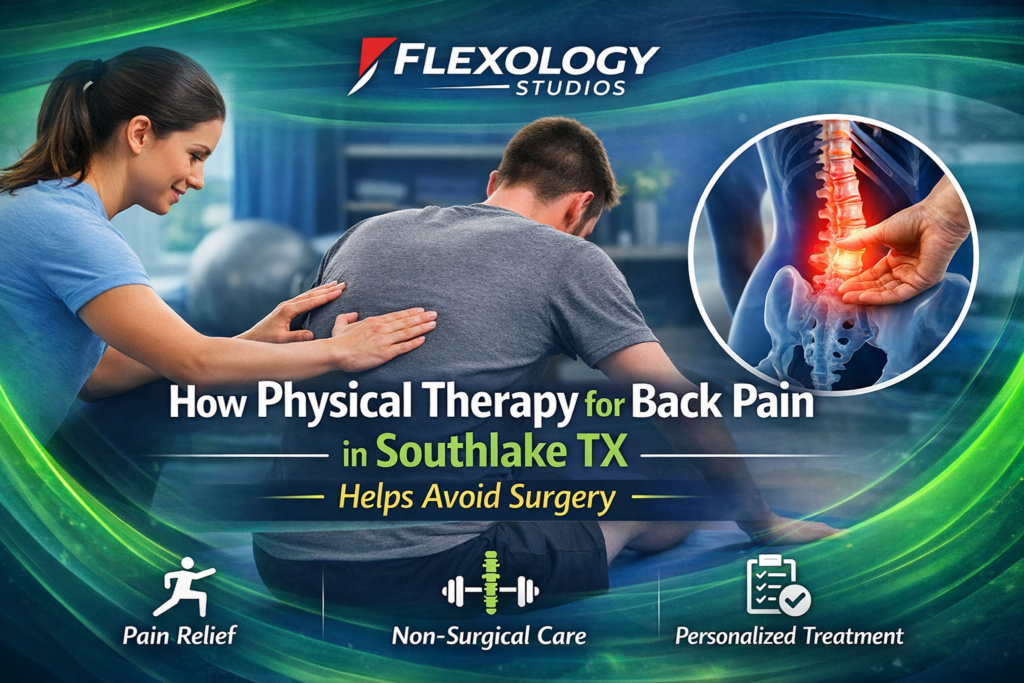
Lower back pain has quietly become one of the biggest health challenges in the modern world. It is the number one cause of missed workdays and one of the most common reasons people visit their doctors. Whether it starts as a dull ache after sitting too long or strikes suddenly after lifting something heavy, this condition affects people across all age groups and lifestyles.
The most common mistake people make is relying solely on medication. Painkillers, anti-inflammatories, and muscle relaxants can offer quick relief, but they rarely address the true source of the discomfort. Instead, they mask the symptoms, allowing the root problem to worsen over time.
The real solution lies in physical therapy for lower back pain. Unlike medication, physical therapy focuses on identifying, correcting, and treating the underlying causes. It is an evidence-based, physician-recommended, and research-supported approach that offers long-term results, improved mobility, and sustainable pain relief.
If you’re serious about reclaiming a pain-free life, understanding why physical therapy for back pain works better than medication is the first step toward lasting recovery.
What Causes Lower Back Pain?
Understanding the Real Sources of Discomfort
Lower back pain has specific causes. It develops due to a combination of physical stress, poor habits, and structural problems. Some of the most common causes include:
• Muscle weakness and imbalance Weak core and back muscles fail to support the spine properly. • Poor posture and sedentary lifestyle Long hours of sitting lead to compression and poor alignment. • Disc issues and nerve irritation Herniated or bulging discs can press on nerves, triggering severe pain. • Core instability and alignment problems Improper posture strains the lumbar spine. • Poor movement mechanics and a limited range of motion can contribute to pain.
When the spine lacks stability, even simple tasks can trigger recurring pain. That’s why identifying the root cause is critical. Treating symptoms without addressing the source leads to chronic discomfort and repeated flare-ups. This is where lower back pain physical therapy treatment becomes crucial.
What Is Physical Therapy for Lower Back Pain?
A Targeted Approach to Rehabilitation
Physical therapy for lower back pain is a specialized form of rehabilitation that restores function, improves mobility, and corrects posture through structured exercises and hands-on techniques.
A licensed physical therapist performs a detailed evaluation that includes: • Postural assessment • Movement analysis • Pain pattern evaluation • Strength and flexibility testing
With this assessment, a personalized treatment plan is created. This plan focuses on: ✔ Restoring spine stability ✔ Enhancing mobility ✔ Improving core strength ✔ Correcting alignment ✔ Reducing inflammation naturally
Unlike medication, physical therapy attacks the root cause and promotes long-term healing instead of temporary comfort.
Why Physical Therapy Works Better Than Medication
Long-Term Healing vs. Temporary Relief
Medication can be helpful in acute situations, but it does not resolve the problems causing the pain. Here’s why physical therapy for lower back pain is superior:
• Medications only dull pain signals. • PT restores muscle balance and posture. • Improves spine mobility and flexibility • Strengthens core stability • Reduces dependency on painkillers
Studies consistently demonstrate that patients receiving physical therapy for lower back pain achieve expedited recovery, reduced recurrence, and enhanced quality of life relative to those solely utilizing medication.
Physical therapy is a true non-surgical treatment for lower back pain, offering sustainable recovery without harmful side effects.
Core Physical Therapy Treatments for Lower Back Pain
A. Manual Therapy Techniques
Manual therapy for lower back pain involves hands-on treatment methods that relieve tension and restore movement:
• Soft tissue mobilization • Myofascial release • Joint mobilization • Nerve gliding techniques
These techniques break down tight muscle knots, improve circulation, and enhance range of motion.
B. Therapeutic Exercises
These movements rebuild strength and restore spine stability:
• Strengthening exercises • Stretching routines • Core stabilization drills • Functional movement retraining
C. Modalities
Supplementary treatments enhance pain relief:
• Heat and cold therapy • Electrical stimulation • Ultrasound therapy
Together, these components create a holistic approach that rejuvenates damaged tissue and restores mobility.
Physical Therapy Exercises for Lower Back Pain
Essential Movements for Strength and Flexibility
Here are highly effective physical therapy exercises for lower back pain:
• Bridges Strengthens glutes and lower back • Pelvic Tilts Improves spinal mobility • Cat-Cow Stretch Restores flexibility • Bird-Dog Enhances core stability • Core activation routines
These exercises should be performed 3-5 times a week under guidance initially. Consistency ensures pain relief and improved movement patterns.
Safety Tip: Always warm up and never push through sharp pain.
SECTION 6: What to Expect During Physical Therapy Sessions
Your Roadmap to Recovery
During your physical therapy journey, you can expect:
✔ Initial consultation and assessment ✔ Mobility and strength analysis ✔ Customized exercise regimen ✔ Hands-on treatment ✔ Progress monitoring
Recovery time typically ranges from 4 to 12 weeks depending on severity. Patients often notice improvements within the first few sessions.
This process ensures structured healing that adapts as your condition improves.
Non-Surgical Treatment Benefits of Physical Therapy
Safe, Natural, and Effective Recovery
Choosing physical therapy as your non-surgical treatment for lower back pain offers the following benefits:
• Avoiding invasive procedures • Reducing chronic inflammation • Strengthening spine stability • Enhancing daily functionality • Preventing future injuries
Unlike surgery or injections, physical therapy improves your overall musculoskeletal health naturally.
Who Should Consider Physical Therapy for Lower Back Pain?
It’s for Everyone, Not Just Athletes
If you fall into any of these categories, physical therapy can help:
• Office workers with desk-related strain • Athletes with repetitive stress injuries • Chronic pain sufferers • Post-surgery patients • Older adults with reduced mobility • Individuals with recurring discomfort
Physical therapy for back pain isn’t limited by age or lifestyle it adapts to everyone.
When to See a Physical Therapist Immediately
Warning Signs You Shouldn’t Ignore
Seek professional help if you experience:
• Sudden sharp pain • Radiating pain down legs • Tingling or numbness • Severe stiffness • Pain lasting more than 1-2 weeks
Early intervention prevents worsening symptoms and accelerates recovery.
Why Flexology Studios Is the Best Choice for Physical Therapy
Expertise That Delivers Results
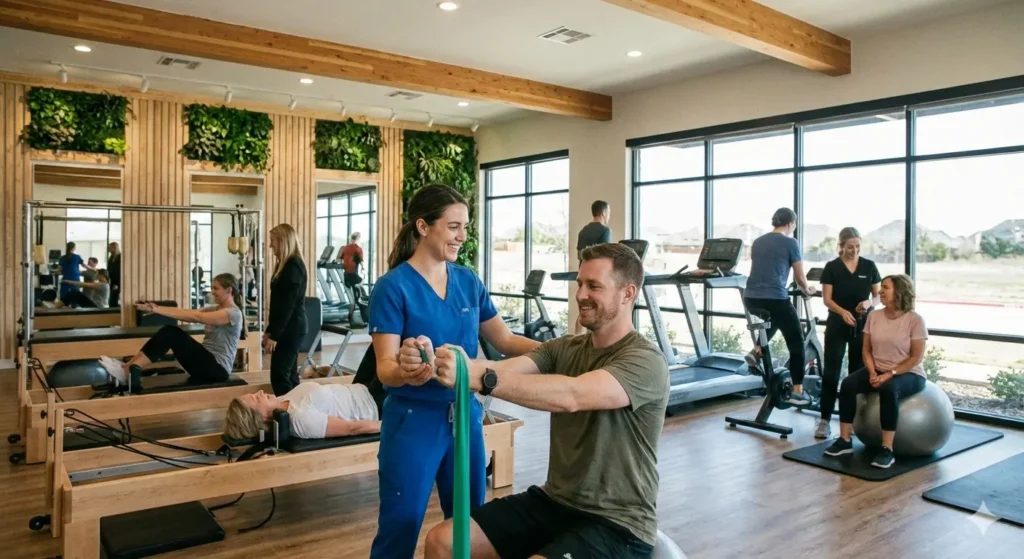
Flexology Studios stands out as a leader in lower back pain rehabilitation because of:
• High success rate with back pain cases • Advanced therapeutic equipment • Personalized one-on-one care • Evidence-based approach • Holistic healing philosophy
Their combination of modern technology and compassionate care ensures optimal outcomes for every client.
How Physical Therapy Improves Posture and Alignment
The Hidden Impact of Poor Posture
Bad posture causes misalignment, increased stress on the lumbar spine, and reduced spine stability. Physical therapy targets posture correction through:
• Muscle re-education • Corrective exercises • Ergonomic training • Movement correction
Improved posture leads to enhanced mobility, fewer flare-ups, and better overall health.
The Role of Core Strength in Back Health
Your Body’s Natural Support System
A strong core stabilizes the spine and reduces pressure on the lumbar region. Physical therapy exercises specifically build:
• Abdominal muscles • Obliques • Pelvic stabilizers
This strengthens the entire kinetic chain and enhances long-term resilience.
Understanding Spine Stability and Mobility
Balance for a Pain-Free Life
Spine stability ensures safe movement, while mobility supports flexibility. Physical therapy optimizes both through targeted rehabilitation strategies that keep your spine aligned, strong, and functional.
Lifestyle Changes That Enhance Physical Therapy Results
Supporting Your Recovery at Home
• Regular stretching • Proper posture habits • Ergonomic workstation setup • Staying active • Maintaining a healthy weight
These changes significantly complement your physical therapy treatment.
Preventing Recurring Lower Back Pain
A Long-Term Strategy
Once symptoms subside, physical therapy continues by:
• Teaching proper movement techniques • Strengthening supportive structures • Improving functional movement • Encouraging healthy habits
This proactive approach prevents future episodes.
Conclusion: The Smart Choice for Lasting Relief
When it comes to lower back pain, quick fixes rarely work. While medication may offer temporary comfort, it does nothing to restore balance, correct alignment, or rebuild strength. Physical therapy for lower back pain provides a comprehensive, natural, and long-lasting solution that targets the root cause, enhances mobility, and improves quality of life.
By focusing on rehabilitation, core strength, spine stability, and therapeutic exercises, physical therapy empowers you to regain control of your body and enjoy life without chronic discomfort.
Ready to Experience Real Relief?
Book your professional physical therapy session with Flexology Studios today and take the first step toward a stronger, healthier, pain-free spine. Your journey to lasting recovery starts now.
FAQS
1. Is physical therapy for lower back pain more effective than medication?
Yes, physical therapy for lower back pain treats the root cause by improving mobility, posture, and core strength, while medication only provides temporary symptom relief.
2. How long does physical therapy for lower back pain take to show results?
Most patients experience noticeable improvement within 2 to 4 weeks, depending on the severity and consistency of their physical therapy program.
3. What are the best physical therapy exercises for lower back pain?
Effective exercises include bridges, bird dogs, pelvic tilts, and cat-cow stretches that enhance spine stability and reduce pain.
4. Can physical therapy for lower back pain prevent future injuries?
Yes, it strengthens core muscles, improves posture, and corrects movement patterns to significantly lower the risk of recurring back pain.
5. Is physical therapy a safe, non-surgical treatment for lower back pain?
Absolutely. It is one of the safest and most effective non-surgical treatment options for long-term back pain relief.
6. How often should I attend physical therapy for lower back pain?
Typically, 2–3 sessions per week are recommended initially, with adjustments made based on progress and recovery.
7. Who should consider physical therapy for lower back pain?
Anyone suffering from chronic pain, stiffness, posture issues, or limited mobility can benefit from targeted physical therapy programs.