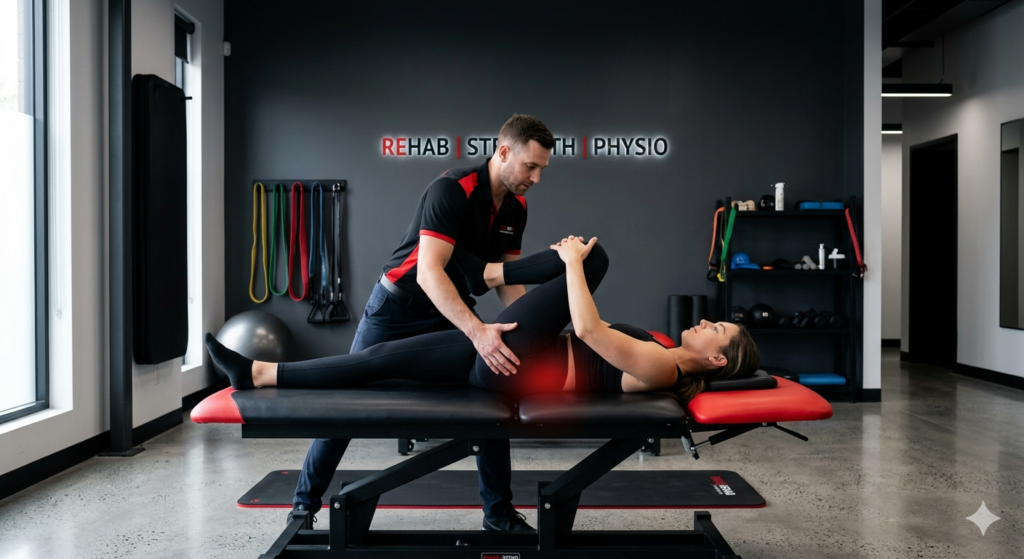
Sciatica can turn simple daily movements into painful challenges. If you’ve ever felt a sharp, burning sensation shooting from your lower back down your leg, you’re not alone. Millions of people struggle with this condition every year, and the good news is that physical therapy for sciatica has emerged as one of the most effective, natural, and sustainable ways to find relief without relying solely on medication or surgery.
In this in-depth guide, we’ll explore the causes of sciatica, explain how physical therapy for sciatica pain works, and reveal the most effective sciatica pain physical therapy exercises to help you regain comfort, strength, and mobility.
What Is Sciatica, and Why Does It Hurt So Much?
Sciatica refers to pain that radiates along the path of the sciatic nerve, the longest nerve in the body. This nerve runs from the lower spine through the hips and buttocks and down each leg. When this nerve becomes irritated or compressed, it leads to intense nerve pain, tingling, numbness, and weakness.
Unlike general lower back pain, sciatica often travels, making everyday activities like walking, sitting, or bending extremely uncomfortable. Understanding the root cause of this pain is the first step toward effective treatment.
Common Causes of Sciatic Nerve Compression
Several conditions can lead to sciatica, including:
- Herniated disc: When a spinal disc bulges or ruptures, it may press on the sciatic nerve.
- Pinched nerve: Tight muscles or inflamed tissues can trap the nerve.
- Spinal stenosis
- Degenerative disc disease
- Lumbar injuries
- Poor posture and prolonged sitting
These trigger ongoing lumbar pain and back and leg pain, sometimes lasting weeks or months if not treated properly.
Does Physical Therapy Help Sciatica?
A common question is, does physical therapy help sciatica? The short answer is yes and remarkably so. Physical therapy addresses the root problem rather than simply masking symptoms.
Can physical therapy help sciatica long-term? Absolutely. Through personalized treatment plans, therapists reduce inflammation, improve posture, and ease nerve compression while enhancing flexibility and strength.
How Physical Therapy for Sciatica Actually Works
Physical therapy for sciatica focuses on a blend of targeted movement, strengthening, and manual interventions that restore balance within the spine and surrounding muscles. The core benefits include
- Improved posture and spinal alignment
- Reduced nerve pressure
- Increased flexibility
- Enhanced mobility improvement
- Reduced risk of recurrence
Over time, the body learns to move efficiently, easing chronic symptoms naturally.
The Role of Manual Therapy and Nerve Mobilization
Manual therapy involves hands-on techniques that relax tight muscles and correct joint misalignment. This may include:
- Soft tissue massage
- Joint manipulation
- Myofascial release
Nerve mobilization gently stretches the sciatic nerve to improve its gliding ability within surrounding tissues. These techniques significantly reduce leg pain and restore mobility.
Best Sciatica Pain Physical Therapy Exercises
The right sciatica pain physical therapy exercises can dramatically improve symptoms. Here are some of the most effective PT stretches and rehab exercises:
Knee-to-Chest Stretch
Relieves tension from the lower spine and hips.
Piriformis Stretch
Reduces pressure on the sciatic nerve.
Seated Spinal Twist
This exercise enhances rotational mobility and lessens the pressure on the sciatic nerve.
Hamstring Stretch
Eases tension affecting nerve movement.
These gentle exercises encourage healthy movement and support stretching for sciatica without triggering more pain.
Core Strengthening for Long-Term Stability
Strong abdominal and back muscles create essential support for the spine. Core strengthening helps prevent excess movement that aggravates the sciatic nerve. Simple exercises like
- Pelvic tilts
- Bridges
- Bird dog
- Plank variations
These rehab exercises reinforce spinal stability and serve as effective non-surgical treatment options.
Non-Surgical Treatment Benefits
One of the biggest advantages of physical therapy is avoiding invasive procedures. Nonsurgical treatment promotes natural healing while improving flexibility and endurance. Patients experience long-term pain management without dependency on painkillers.
How Long Does Physical Therapy for Sciatica Take?
Recovery time varies depending on the severity of the issue. Most individuals see improvement within 4–6 weeks of consistent therapy sessions. Commitment to physical therapy exercises at home significantly speeds up recovery.
What Happens During Therapy Sessions?
A traditional therapy plan may include:
- Initial assessment
- Movement analysis
- Customized exercise regimen
- Postural training
- Heat/ice therapy
Therapists adapt the program continuously as your symptoms improve, ensuring steady progress.
Stretching for Sciatica: Gentle Yet Powerful
Stretching for sciatica promotes flexibility and improves nerve mobility. When practiced daily, it can drastically reduce recurring discomfort and stiffness.
Lifestyle Changes That Enhance Recovery
Supporting physical therapy with healthy habits increases success:
- Proper posture
- Ergonomic seating
- Regular walking
- Avoiding prolonged sitting
- Maintaining a healthy weight
These adjustments reinforce sustainable pain management.
When to See a Physical Therapist
Seek help if you experience:
- Persistent pain beyond a week
- Weakness or numbness
- Difficulty walking
- Sharp radiating pain
Early intervention prevents complications and improves outcomes.
Does Physical Therapy Prevent Sciatica Recurrence?
Yes. By correcting posture and strengthening muscles, therapy prevents repeat flare-ups. Learning to move safely also reduces future strain on the sciatic nerve.
Comparing Physical Therapy to Other Treatments
Unlike medications that only manage symptoms, therapy resolves structural problems. While injections provide temporary relief, physical therapy for sciatica pain offers permanent mobility improvement.
At-Home PT Stretches for Daily Relief
Daily practice of PT stretches maintains spinal health and reduces tightness. Consistency is key to achieving lasting benefit.
Psychological Benefits of Physical Therapy
Beyond physical healing, therapy increases confidence, reduces stress, and eliminates fear of movement. This holistic benefit promotes complete recovery.
Success Stories and Real-Life Outcomes
Many individuals report a dramatic reduction in discomfort after only a few weeks of therapy. Strength regained, mobility improved, and quality of life enhanced.
Long-Term Maintenance Plan
After treatment, keeping up with light exercises, occasional stretching, and proper ergonomics supports long-term health and comfort.
FAQS
1. What is the fastest way physical therapy can relieve sciatica pain?
The fastest relief usually comes from a combination of manual therapy, targeted nerve-mobilization techniques, and gentle stretching that reduces pressure on the sciatic nerve. Many patients feel a noticeable improvement within just a few sessions when inflammation decreases and mobility increases.
2. How do I know if my sciatica is severe enough to need physical therapy?
If your pain radiates down the leg, worsens when sitting, or comes with numbness or tingling, you should see a physical therapist. Professional treatment is necessary if your symptoms persist for more than 3–5 days or if you have difficulty standing or walking.
3. Can physical therapy completely cure sciatica?
In most cases, yes. When sciatica is caused by a herniated disc, tight muscles, or nerve irritation, physical therapy can fully resolve symptoms by correcting posture, improving core stability, and restoring proper nerve movement. Long-term success depends on consistency with exercises.
4. Why does my sciatica keep coming back even after treatment?
Recurring sciatica often happens due to weak core muscles, poor sitting posture, prolonged inactivity, or returning too quickly to strenuous activities. A physical therapist can identify the root cause and design a long-term maintenance plan to prevent flare-ups.
5. How long does it usually take for physical therapy to work for sciatica?
Most people see improvement in 4–6 weeks, though some experience relief sooner. Chronic or severe cases may take longer, especially if nerve irritation has been present for months. Progress also depends on doing your home exercises consistently.
6. Are sciatica exercises safe to do at home without a therapist?
Basic stretches like knee-to-chest, piriformis stretch, and gentle hamstring mobility movements are usually safe. However, doing the wrong exercise, or doing it incorrectly, can worsen nerve pain. It’s best to get a professional evaluation before starting a home program.
7. Does physical therapy help if my sciatica is caused by a herniated disc?
Absolutely. Physical therapy is one of the most effective non-surgical treatments for disc-related sciatica. It reduces inflammation, encourages disc healing, improves spine alignment, and strengthens supportive muscles to reduce pressure on the sciatic nerve.
Conclusion
Living with sciatica doesn’t have to mean constant discomfort or restricted movement. With the right approach, physical therapy for sciatica offers transformative results by addressing root causes and restoring natural movement. From targeted sciatica pain physical therapy exercises to advanced manual therapy techniques, this non-invasive solution provides relief, strength, and confidence for long-term spinal health. If you’re wondering if physical therapy can help sciatica, the answer is a resounding yes and the journey toward comfort begins with your first step into therapy.